
Dry cleaning, or surface cleaning, refers to a set of conservation cleaning techniques used to remove dirt, dust, insect droppings, or accretions from the surface of a document. It is sometimes preferred to other treatments, such as aqueous immersion, that may cause dirt to set in the paper fibers of the document.
Types of dry cleaning tools include soot sponges, brushes, HEPA vacuums, eraser crumbs, microspatulas, and needles. Each of these items can be used either in combination with other cleaning tools or on its own to perform various cleaning techniques.

Soot sponges are cut into small pieces and delicately rubbed on the surface of objects to remove soot damage. Brushes can be used to remove dirt on their own, or to clear debris from surfaces after another surface cleaning technique is used. HEPA vacuums are also useful for removing surface debris as well as mold, and have variable speeds so as to prevent damage to collection materials. Eraser crumbs can be used to remove marks from paper – eraser crumbs are usually preferred as eraser blocks can over-clean and cause abrasions on the document. Microspatulas and needles are all used to remove accretions and insect droppings by either picking or pulling objects off the document with adhesive.
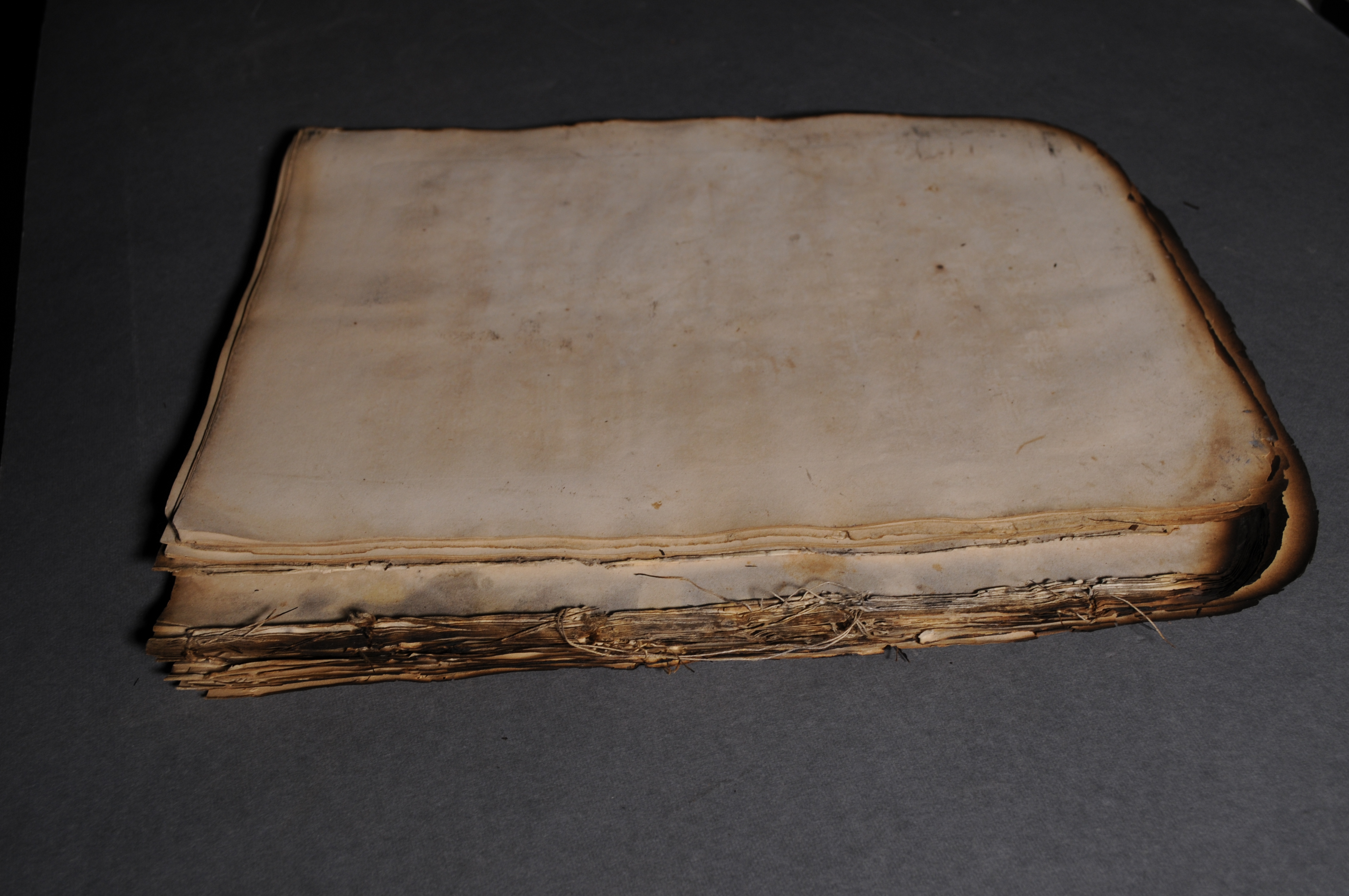
 Colonel Hook Papers